Why 180–220g of Protein Is a Different Game (100–130 words)

Hitting 180–220g of protein per day isn’t about “eating more chicken.” It’s about precision, structure, and leverage. At this level, protein supports muscle growth, strength performance, recovery, and fat loss, especially for athletes and heavy lifters training multiple times per week. The challenge isn’t motivation — it’s logistics: appetite fatigue, time constraints, digestion, and food boredom. This guide breaks down exactly how to structure your day, distribute protein intelligently, and use food + supplements strategically so hitting high protein feels sustainable, not overwhelming.

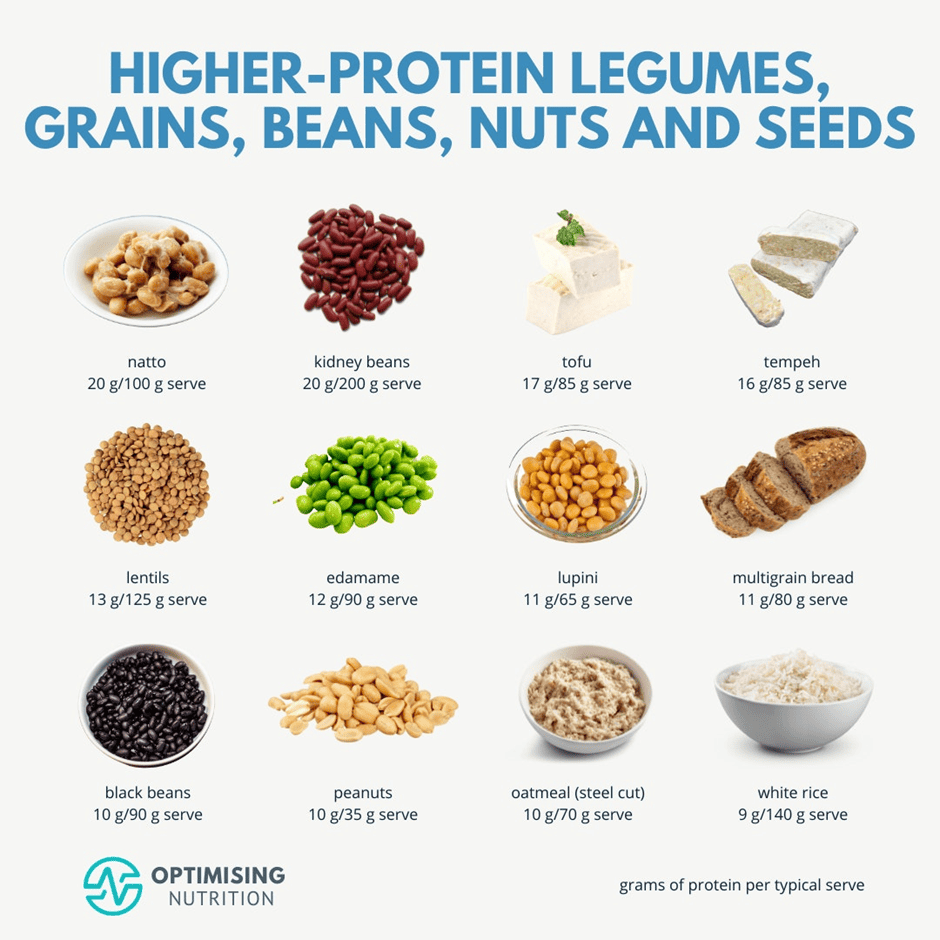

Optimising Nutrition – High Protein Foods for Satiety & Health
- Who This Protein Range Is For
- Protein Math: How 200g Actually Happens
- Protein Distribution for Performance & Recovery
- Full-Day 200g Protein Sample Day
- High-Protein, High-Density Foods
- Vegetarian & Plant-Based Athletes
- Smart Supplement Strategy (Not Overkill)
- Common Problems at High Protein Intakes
- Conclusion & Next Step
1. Who This Protein Range Is For
This guide is ideal if you are:
- Training 4–6 days per week
- Lifting heavy (compound-focused programs)
- Cutting fat while trying to maintain or gain muscle
- Bulking with controlled calories
- Weighing roughly 180–240 lbs (context-dependent)
⚠️ If you’re newer to training or struggle to hit 120–150g consistently, start with the earlier guides first.
2. Protein Math: How 200g Actually Happens
Most people fail here because they underestimate how much protein needs to show up in every meal.
Simple breakdown (example: 200g target)
- 5 meals × 40g protein = 200g
- OR 4 meals × 45g + 1 shake (20g)
- OR 3 meals × 50g + 2 shakes (25g each)
Key insight:
You do NOT hit 200g accidentally. You hit it by design.
3. Protein Distribution for Performance & Recovery
High protein intake works best when spread evenly, not crammed into dinner.
Ideal distribution for athletes:
- Breakfast: 35–45g
- Pre-workout / Lunch: 40–50g
- Post-workout: 35–45g
- Dinner: 40–50g
- Optional evening protein: 20–30g (especially during cuts)
This supports:
- Muscle protein synthesis
- Better recovery
- Stable energy
- Reduced late-night hunger

4. Full-Day 200g Protein Sample Day
Meal 1 – High-Protein Breakfast (45g)
- 4 whole eggs (24g)
- 4 oz egg whites (14g)
- 1 oz cheese (7g)
Total: ~45g protein
Meal 2 – Protein-Dense Lunch (50g)
- 6 oz chicken breast (42g)
- 1 oz quinoa or rice
- Veggies + olive oil
Total: ~45–50g protein
Meal 3 – Post-Workout Shake (40g)
- 1.5 scoops whey protein (36–40g)
- Water or milk
Total: ~40g protein
Meal 4 – Dinner (45–50g)
- 7 oz salmon or lean beef
- Sweet potato or rice
- Veggies
Total: ~45–50g protein
Optional Meal 5 – Before Bed (20–25g)
- Cottage cheese or casein shake
Daily Total: 195–210g protein
5. High-Protein, High-Density Foods

When appetite drops, protein density matters.
Animal-based:
- Whey protein
- Egg whites
- Lean beef
- Chicken breast
- Greek yogurt
- Cottage cheese
Plant-based:
- Seitan
- Tempeh
- Extra-firm tofu
- Lentils + rice combos
- High-protein plant powders
Key Rule (Easy Protein Check):
If you add a 0 to the grams of protein per serving and that number is higher than the calories, it’s a high-protein food.
Example:
A food has 17g of protein and 100 calories per serving.
Add a 0 to 17 → 170.
Since 170 is greater than 100 calories, this food is a good source of protein.

6. Vegetarian & Plant-Based Athletes
Yes, 180–220g is possible — but it requires more structure.
Strategy:
- 2 protein shakes/day (plant-based)
- Prioritize seitan, tempeh, tofu
- Combine legumes + grains
- Use protein-enhanced foods (wraps, pasta, yogurt)
Sample plant-based protein anchors:
- Protein smoothie: 40–50g
- Tofu scramble: 35–40g
- Seitan bowl: 45–50g
Ambrosia Planta Plant Based Protein Powder
7. Smart Supplement Strategy (Not Overkill)
Supplements aren’t optional at this level — but they should be strategic, not excessive.
Core stack:
- Whey or plant protein: 1–2 servings/day
- Creatine: 5g daily
- Digestive enzymes (optional if appetite is low)
Why protein powder matters:
It allows you to hit targets without force-feeding whole food.
8. Common Problems at High Protein Intakes
“I’m too full”
- Use liquid protein
- Reduce fiber slightly
- Choose leaner protein sources
“My digestion feels off”
- Spread protein more evenly
- Add enzymes
- Avoid stacking too many protein bars
“I get bored”
- Rotate sauces, spices, cooking styles
- Use global flavors (Mediterranean, Asian, Latin)
- Mix solid meals + shakes
Conclusion: This Is a Performance Skill
Hitting 180–220g of protein per day is a skill, not a willpower test. When meals are structured, protein is distributed evenly, and supplements are used intelligently, high intake becomes sustainable. Master this level and you unlock better recovery, more muscle, and leaner body composition. If you’re ready to push performance, this is the standard.





Leave a Reply